BOne Setter Associated Disability (BOSAD) Study
“No more disability accepted with traditional bone setters.”
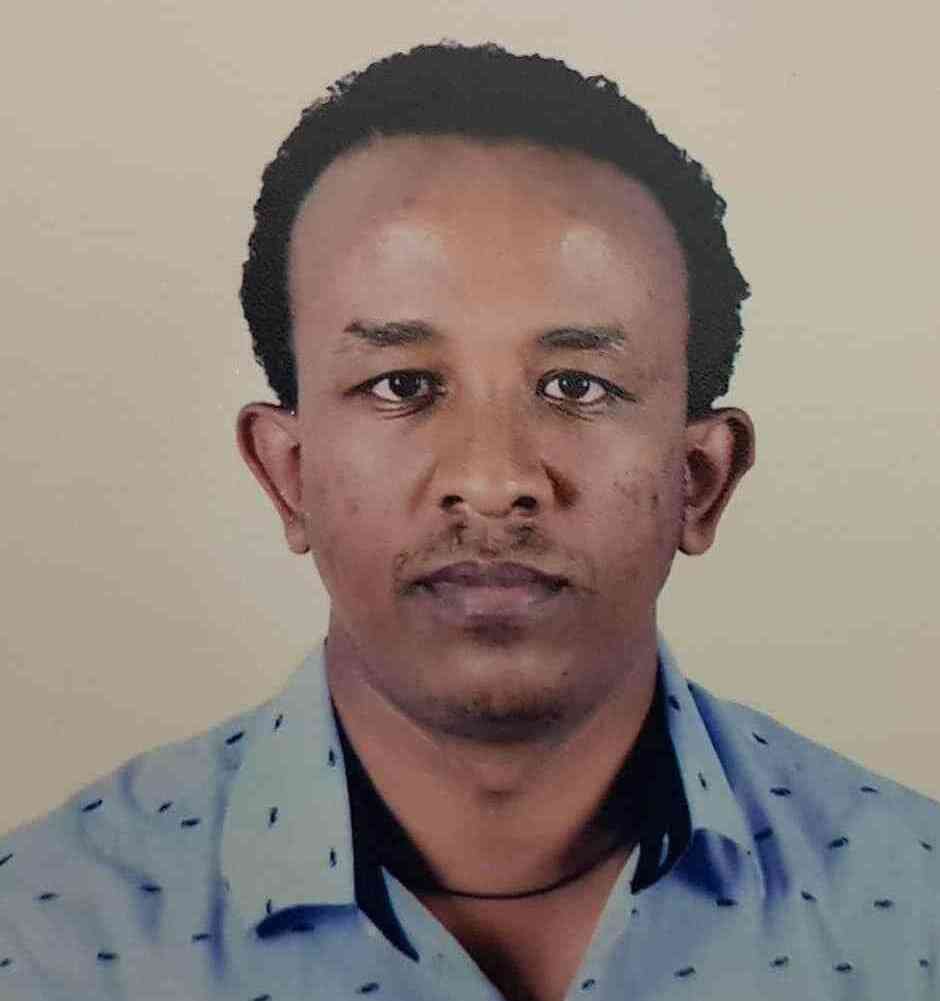
Dr. Ephrem Gebrehana
National lead person for BOSAD study
Assistant professor in Orthopaedic surgery at HUCSH, Ethiopia
Fellow of Trauma and Arthroplasty at Assuit University, Egypt.
Phone: +251 911928484
Email: ephrem@bosadstudy.com
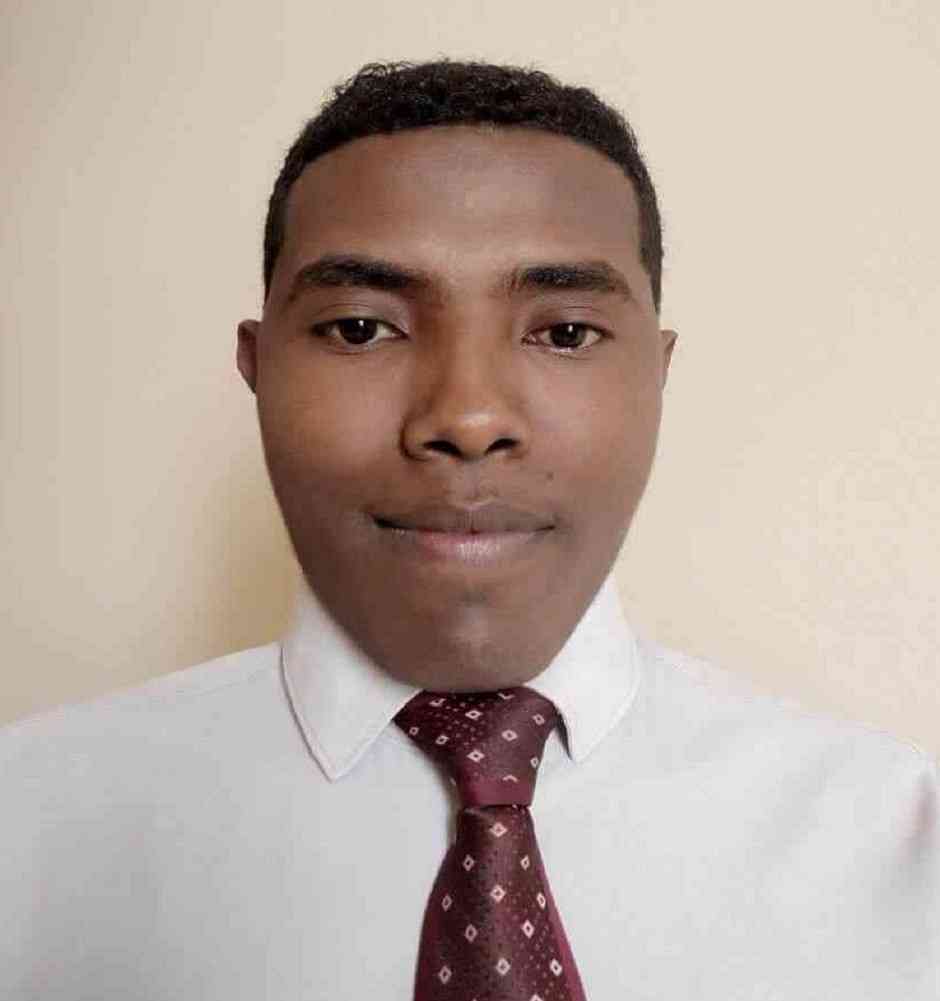
Dr. Mengistu Gebreyohanes
National lead person for BOSAD study
Assistant professor in Orthopaedic surgery
Research unit focal person, HUCSH.
Phone: +251 910120423
Email: mengistu@bosadstudy.com
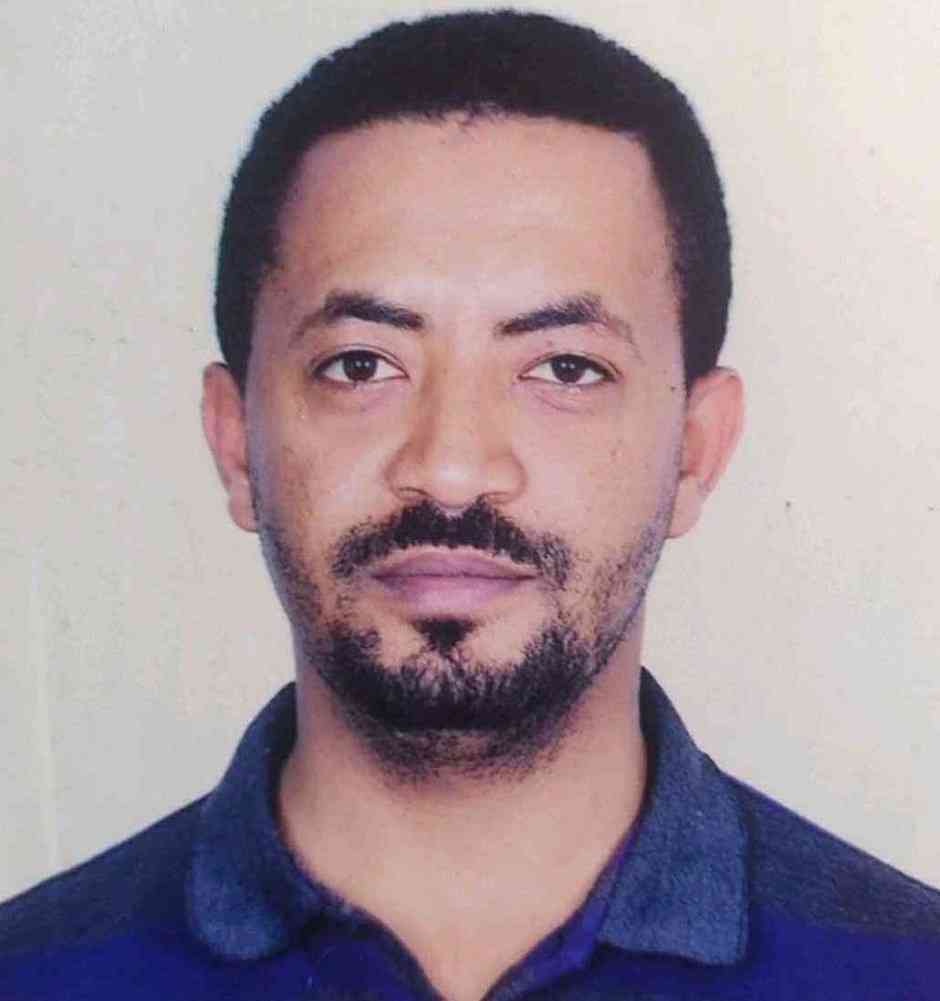
Dr. Sintayehu Bussa
National lead person for BOSAD study
Assistant professor in Orthopaedic surgery
Head of Orthopaedic unit, HUCSH
Phone: +251 911933299
Email: sintayehu@bosadstudy.com
About Us
Hawassa University Comprehensive specialized Hospital (HUCSH), Orthopaedics unit is established 4 years back under the department of surgery by Dr. Ephrem Gebrehana, the Pioneer Orthopaedic Surgeon for the University. Since the beginning of orthopaedics care in the Hospital, there were numerous Orthopaedic surgeons who were accompanying and working with him for different period of time. Drs. Mamo D, Bruh W, Yared, Samson T, Sintayehu B and Mengistu G were the orthopaedic surgeons who play a pivotal role for the development of the orthopaedic care until the year of 2019 at different time period.
Currently, in the year of 2020, we have five permanent staff Orthopaedic surgeons aiming to give high quality care and the Orthopaedic Unit become one of the best service providers of the Hospital. We are working our best to maximize the care of trauma patients in the Hospital, giving different trainings and teaching activities for health professionals including residents, nurses and medical Interns. We are also highly involved in national and international Collaborations to scale up the orthopaedic service and teaching learning activities in our Institutions.
For those all years, one of the big challenges facing in the orthopaedics practice is traditional bone setter related complication among trauma patients. Many paediatric patients who sustain trauma will go to the nearby bone setter and get massaged many times. Then they will be brought to us once they get complicated which will be too late to save the limb of the patients. In order to save the life of the patients’, we are obliged to remove the limb which leads to disability and impairment.
Now we are motivated to conduct this multicentre national study to know the width and breadth of traditional bone setter related complications at national level and to prepare scope of practice guidelines for the traditional bone setter with responsible stakeholders in the regional and national level.
Introduction
The practice of bone setters’ dates back to the ancient time and deeply rooted in the communities of many countries in the world. The earlies known medical text called the Edwin Smith papyrus of 1552 BC describes ancient Egyptian treatment of bone related injuries. At that time, this bone setter was the main provider of the care and they give their treatment traditionally without any formal training. They used to splint patients with wooden materials like bamboo. With the development of modern medicine, 21st century, almost all of the traditional bone setter are substitutes with Orthopaedic surgeons who are licensed to treat all musculoskeletal conditions. But even in the presence and advance of modern medicine, in many low- and middle-income countries, traditional bone setting practice become one of a big challenge with full of complication for trauma patients mainly in Africa, Asia and South America.
As any of developing countries, our country Ethiopia, is also one of the places where traditional bone setting become a very common practice. Especially those paediatric trauma patients become major victim of these practice and end up with many life and limb threatening complications including deformity, malunion, non-union, Amputation, severe infection, psychological trauma and even death.
Vision
By 2025, all the practice and complication of traditional bone setter for musculoskeletal injury in Ethiopia will be reduced to nearly zero prevalence.
Mission
Collect nationwide data on practice and complication of traditional bone setters for musculoskeletal injury, advocate and create trusted system on modern musculoskeletal injury care for the community and create platform on utilization of modern medical practice throughout the country.
Objectives
The objective of this web-based Multicentre study will be to have a Nationwide data on complication of trauma patients previously treated by traditional bone setters. Once the data is collected, the ultimate goal will be to advocate appropriate modern musculoskeletal care for all trauma patients throughout the country.